The COVID-19 pandemic demanded swift federal action to keep families in their homes, stabilize markets, and protect the nation’s most vulnerable — including veterans. The resulting programs, built under the CARES Act and related emergency policies, were intended as temporary lifelines. But for thousands of veterans, those lifelines have slowly become chains.
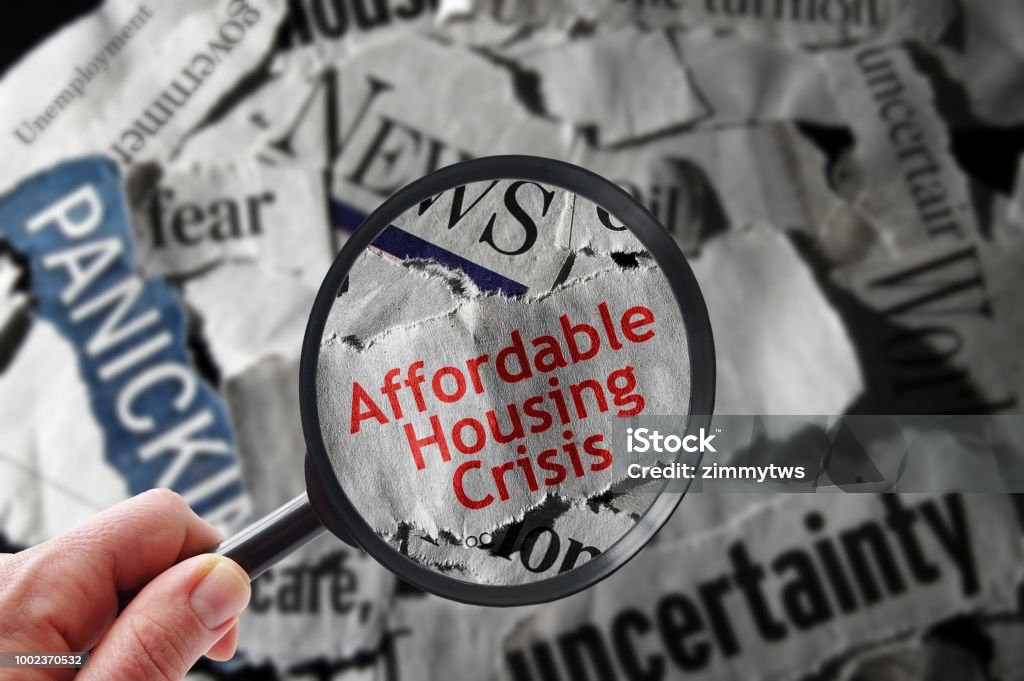
What was meant to heal America’s economic wounds has, for too many, become a new and quiet crisis of hardship, confusion, and broken promises. The second crisis is unfolding now — and it carries the same urgency the first once did.
From Protection to Peril
The CARES Act permitted homeowners with federally backed mortgages to pause payments through forbearance if they suffered pandemic-related hardship (VA Fact Sheet). For veterans, this safety net was supposed to provide breathing room — not years of red tape and debt deferral.
By 2023, the Consumer Financial Protection Bureau (CFPB) observed that many of these loans were showing signs of lasting distress:
“Loans in forbearance in March 2021 were also more likely to be delinquent or in foreclosure in March 2023 compared to loans that were current in March 2021.” (CFPB Blog, May 2023)
In other words, the pause ended, but the peril remained.
Veterans at the Edge
The U.S. Department of Veterans Affairs (VA) recognized the danger early, temporarily pausing foreclosures on VA-guaranteed loans through December 31, 2024 (VA Press Release). Yet implementation gaps persist. Veterans who followed guidance to enter forbearance often emerged facing balloon payments, higher monthly costs, or outright denials of loan relief.
A 2024 report by OPB/NPR told of veterans stranded in the aftermath of VA program expirations:
“Thousands of vets were left with no option but to pay back forbearance in full or face foreclosure.” (OPB Report, Nov 2024)
The Urban Institute warned in 2025 that the end of key VA loss-mitigation programs could push thousands of military borrowers closer to foreclosure (Urban Institute, Apr 2025).
Meanwhile, MarketWatch reported that roughly 60,000 veterans are already nearing the brink of home loss (MarketWatch, May 2025).
If Congress Fails to Act
If Congress continues to postpone meaningful reform — including passage of the proposed Let Freedom Ring Amendment — several outcomes are all but certain:
A Wave of Veteran Foreclosures
With forbearance protections expired and only temporary moratoria in place, foreclosure filings among veterans could surge (FHFA Q3 2024 Foreclosure Report).
Erosion of Home Equity and Financial Mobility Deferred interest, recapitalized arrears, and lump-sum paybacks reduce equity, making it harder for veterans to refinance or sell without loss.
Credit Damage and Long-Term Instability Missed payments and servicing errors feed a cycle of damaged credit, higher borrowing costs, and shrinking access to financial recovery.
Collapse of Trust Veterans served this nation on the promise of fair treatment. When that promise is delayed or denied, faith in our institutions falters.
The Government Accountability Office (GAO) warned that mismanagement of mortgage forbearance programs poses ongoing systemic risks (GAO Report 21-554).
Without decisive legislative correction, the United States could see a generation of veterans lose their foothold in the very economy they fought to protect.
A Nation’s Obligation
Relief was supposed to restore stability, not quietly transfer hardship from one chapter to another. If the first crisis tested our health system, this second one will test our conscience.
Congress must act — swiftly, deliberately, and with moral clarity — to close the gaps left by pandemic relief and ensure veterans receive lasting protection.
Because every day of delay deepens the damage. Every ignored notice, every denied appeal, every foreclosure avoided too late — these are the silent costs of inaction.





Leave a comment