
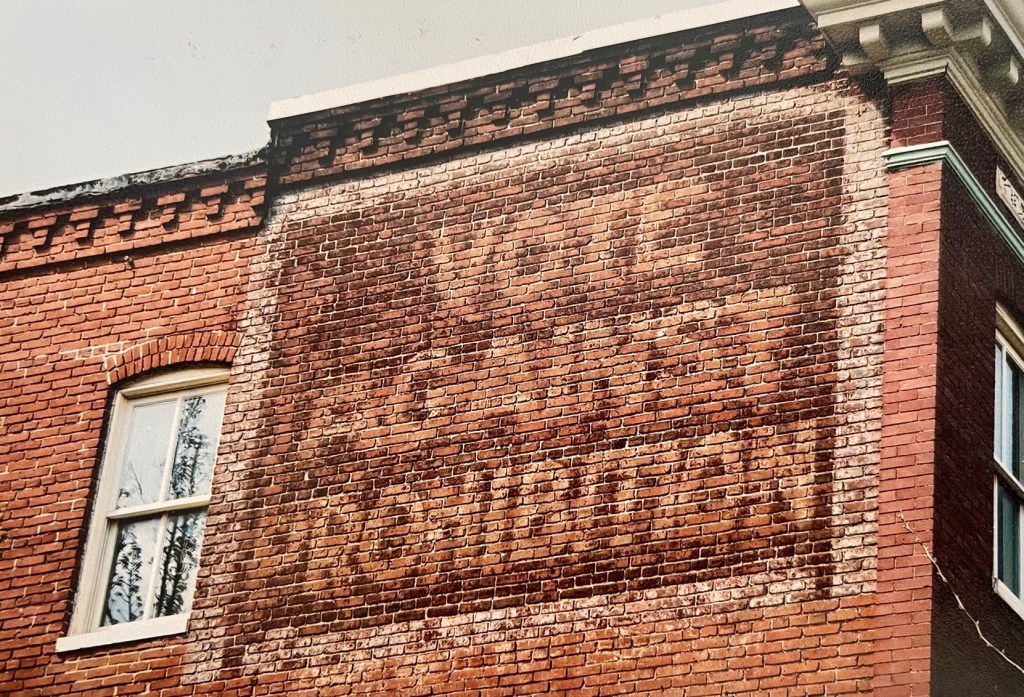
There’s something hauntingly beautiful about the old advertisements you’ll find painted on the brick walls of buildings across Baltimore. They’re not fresh murals or trendy street art—they’re the faded echoes of a bygone era. These vintage hand-painted ads, often referred to as ghost signs, once shouted from the rooftops about cigars, shoes, remedies, and soda. Today, they whisper… and if you pause long enough to look, you might just hear them.
These ghost signs aren’t just signs—they’re relics. They’ve survived decades of sun, storms, and smog, somehow still clinging to walls like the city’s collective memory. I’ve seen them walking through old neighborhoods like Highlandtown, Hampden, Fell’s Point, and Hollins Market. Their messages may be cracked and half-erased, but they speak of the Baltimore that once was—a place fueled by factories, railroads, mom-and-pop shops, and the tireless ambition of working-class dreamers.
More Than Just Ads: These Walls Tell Stories
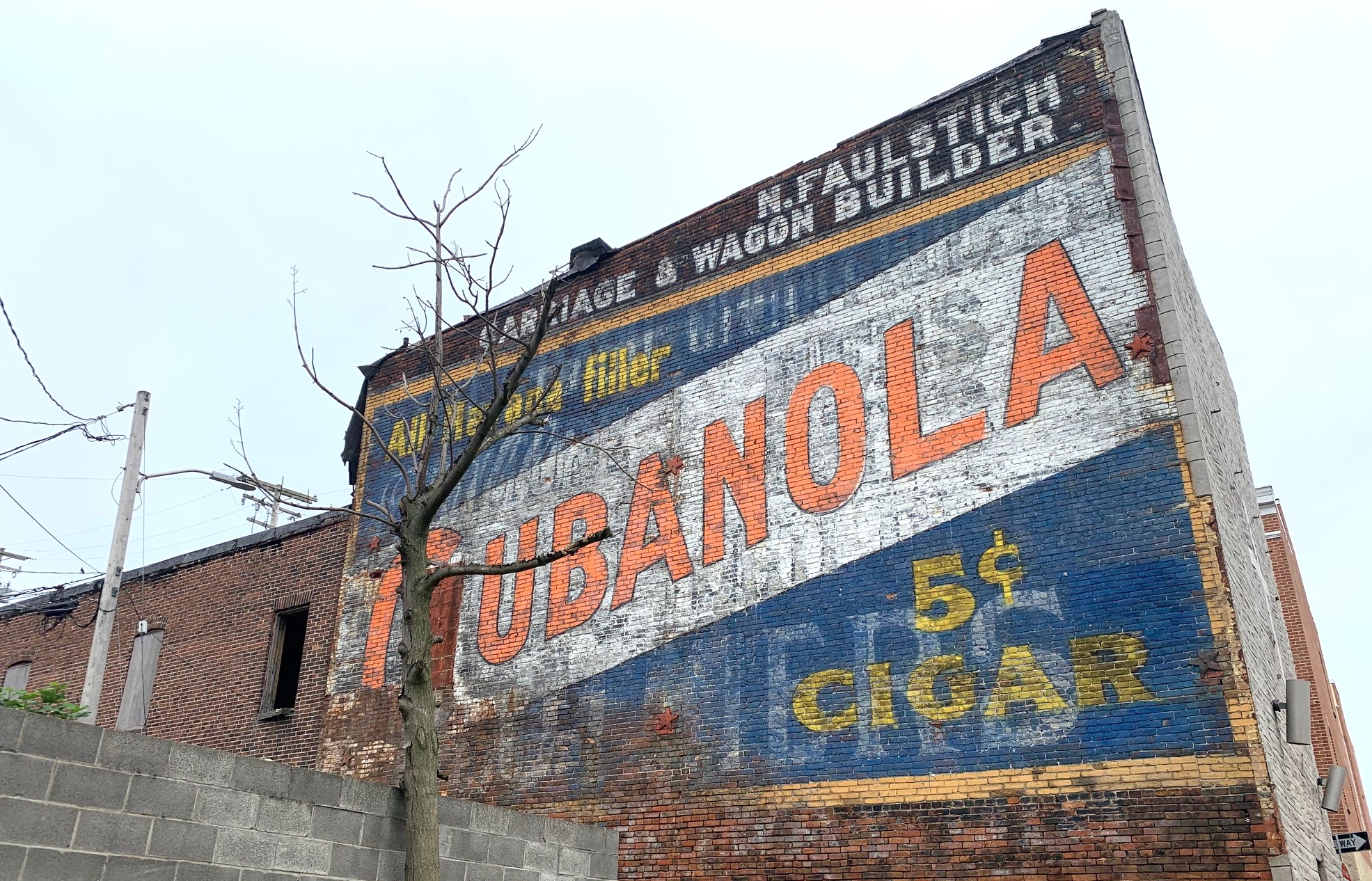
Ghost signs tell us what people once bought, what they needed, and what they believed in. Some promoted “Laxative Bromo-Seltzer” for your headaches. Others pitched “5¢ Cubanola Cigars” with grand flair. One of the most vivid still surviving was hidden beneath metal siding for years on East Fayette and Duncan Streets. When the siding deteriorated, the painted ad for N. Faulstich Carriage & Wagon Builder was revealed in almost pristine condition—a glowing time capsule from the early 1900s.
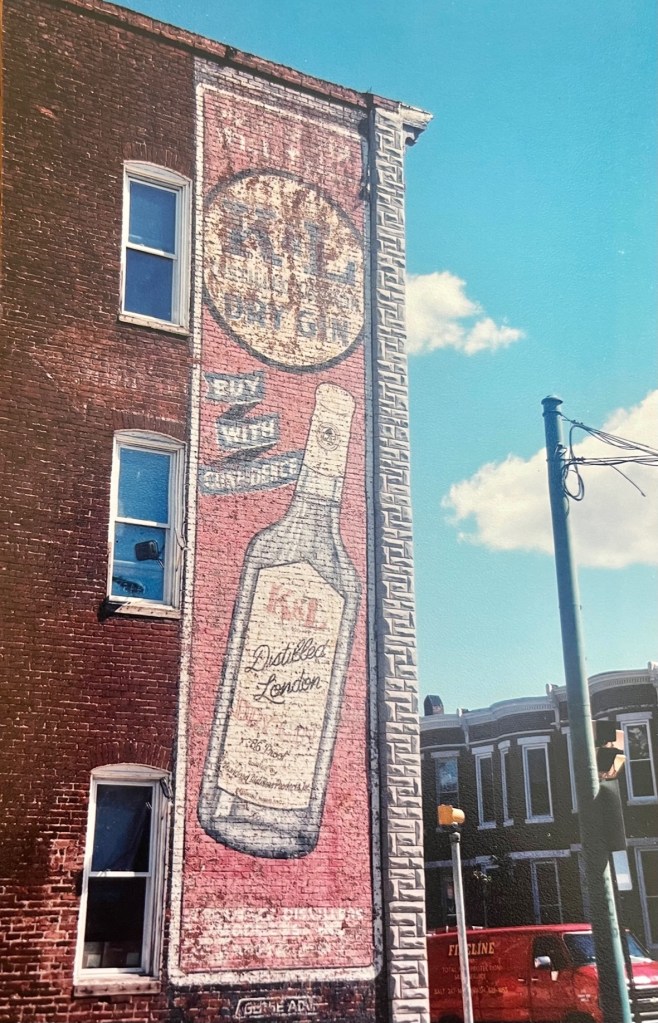
Over in Brewer’s Hill, you’ll find what’s left of the Gunther Beer signage, a nod to Baltimore’s once-booming brewing scene. Not far from there, an ad for Uneeda Biscuits peeks through on an aging corner store building. The slogans may sound quaint now, but they were once groundbreaking, crafted to grab attention in an age when hand-painted signs were cutting-edge marketing tools.
The Artists You Never Knew: Walldogs and Craftsmanship
These signs weren’t done with vinyl stencils or digital templates. They were painted by skilled craftsmen called walldogs—a nickname that evokes the gritty dedication it took to hang from ladders and scaffolding in all kinds of weather, brush in hand, sometimes with nothing more than a pattern poked through paper and a puff of chalk to guide their design.
Many ghost signs date back to the 1920s and 30s, painted by local companies like Globe Poster or Convery Signs. They used oil-based paints that seeped into the porous brick and stood the test of time—literally. Those paints weren’t designed to last 100 years, but here they are, still holding on.
These weren’t just billboards. They were art. Created with precision, perspective, and patience that today’s marketing often forgets. Some signs even had “drop shadows” and 3D effects that gave them boldness and depth. These painters weren’t just craftsmen—they were visual storytellers.
Hidden Messages & Political Murmurs
Some ghost signs in Baltimore go beyond commerce and into politics and social change. There’s a barely visible “VOTE AGAINST PROHIBITION” message in Fell’s Point that hints at how deeply Prohibition-era debates ran in the city. And then there’s the Joseph Kavanagh Company’s sign on Central Avenue—“Practical Coppersmiths.” During Prohibition, they didn’t close up shop; they pivoted to making distilling equipment. That’s Baltimore for you—scrappy, clever, and always evolving.
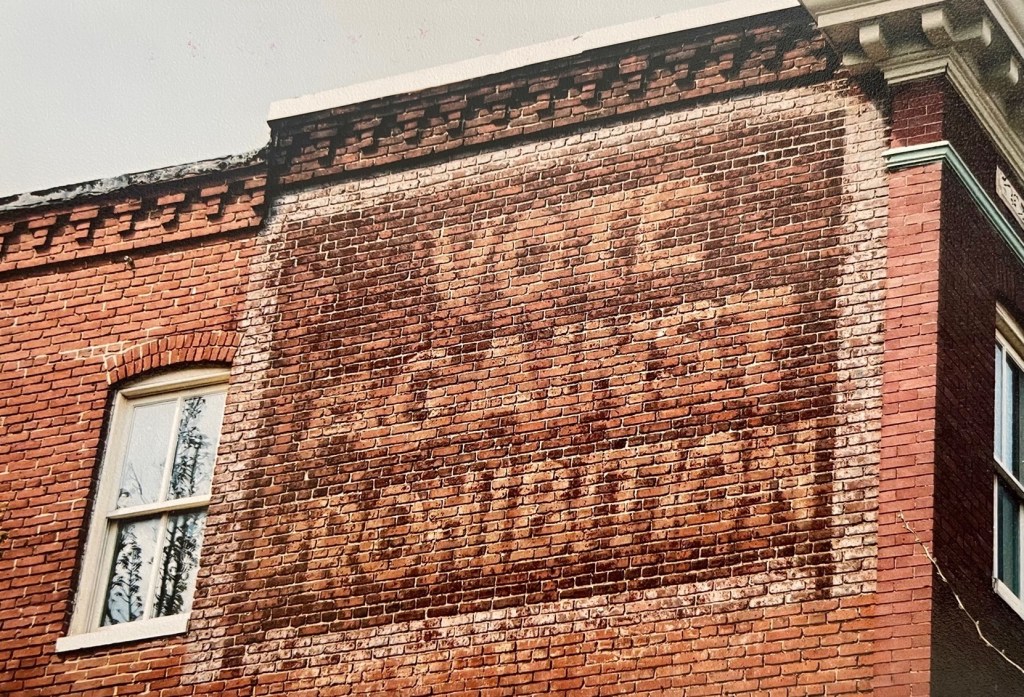
These painted remnants offer a real-time look into how the city’s identity was shaped—not just by politics and industry, but by resilience and reinvention.
Why They Matter (And Why I Still Look for Them)
For me, these signs are more than just relics—they’re emotional. They connect me to my roots, to my mother, my grandparents, and to the generations that walked the same sidewalks. I imagine the kids who once passed these signs, heading to corner stores with pennies in their pockets. I wonder who first laid eyes on those fresh paint strokes, and whether they ever thought those ads would still be here a century later.
These ghost signs survive because they matter. They matter as art, as history, and as a quiet reminder that the city isn’t just made of buildings and roads—it’s made of stories. And these stories are literally written on the walls.
So next time you’re out in Baltimore—maybe heading to Lexington Market or cutting down Lombard Street—look up. Look closely. That fading ad might be trying to tell you something. And if you’re anything like me, you’ll want to hear every word.
Explore More:
Photographer Lashelle Bynum has documented over 200 ghost signs in Baltimore over the past two decades. Her work is a brilliant homage to these overlooked treasures and is featured in Baltimore Magazine’s story here.
You can also see many of these signs highlighted by preservationists at Baltimore Heritage.
And for a video tour, check out this charming Ghost Signs of Baltimore documentary on YouTube.

Leave a comment