
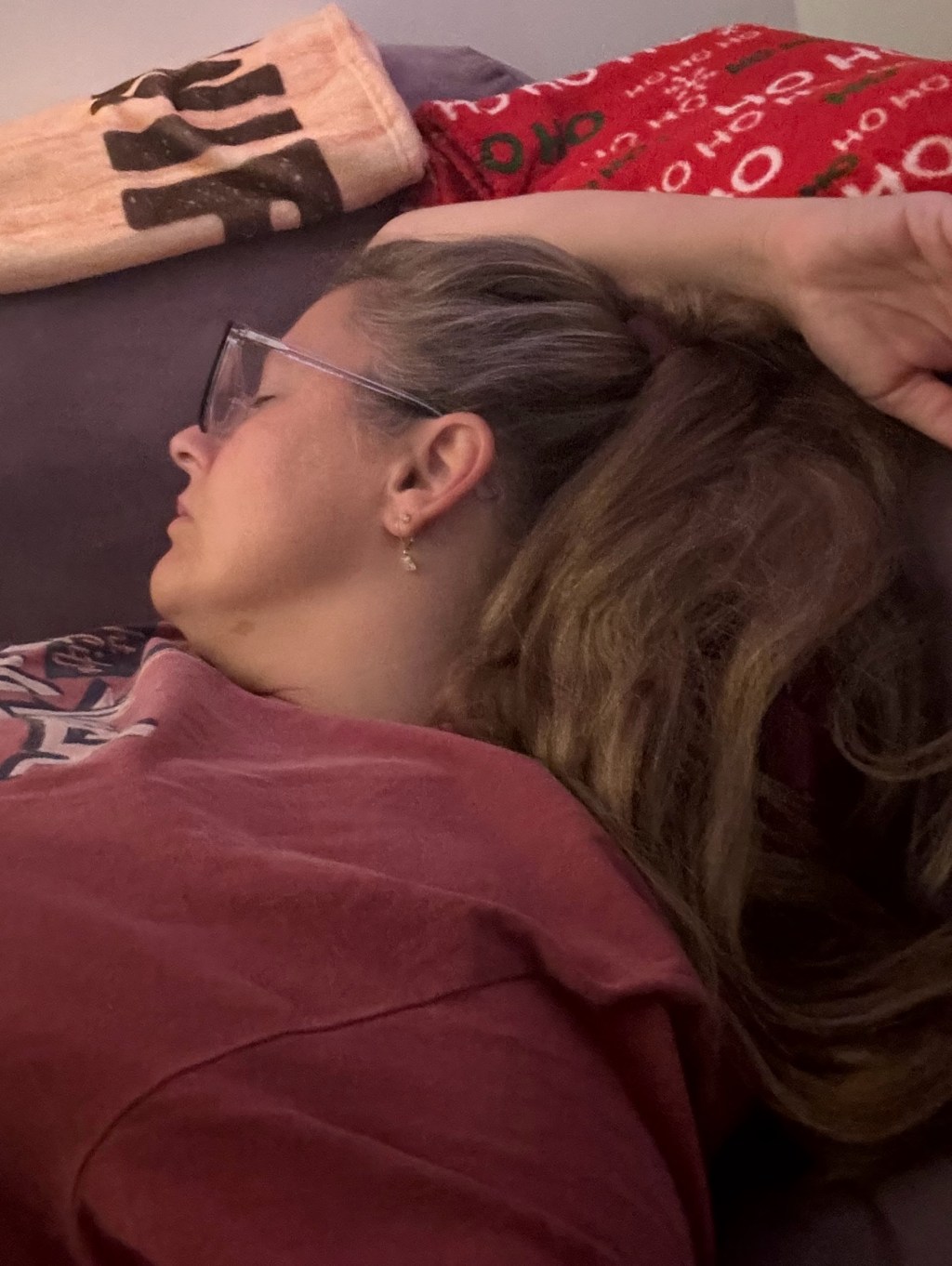
Listen up, hons—it’s time we have a serious discussion about something very near and dear to my heart: naps. That’s right. The glorious, snooze-filled, midday mini-vacations that society has tried to rob from us in the name of productivity.
For too long, we’ve been told that hustle culture is the key to success. That if we just grind harder, work longer, and fuel ourselves with enough caffeine to power a small nation, we’ll reach some mythical land of “achievement.” But I say NO MORE! It’s time we rise up (and then immediately lie back down) and take what’s rightfully ours: a well-deserved nap.
The Science of Snoozing
If anyone dares to suggest that naps are for the lazy, kindly refer them to science, because researchers have proven that short naps improve mood, increase productivity, and enhance creativity. That’s right—napping makes you better at life.
- A study published in Nature Neuroscience found that a 30-minute nap can significantly boost memory and learning ability, making it easier to retain information throughout the day (Mednick et al., 2002).
- The Journal of Sleep Research reports that even brief naps (10–20 minutes) can improve alertness and reduce fatigue, making them ideal for those mid-afternoon slumps (Milner & Cote, 2009).
- NASA conducted a study on pilots and astronauts, concluding that a 26-minute nap improved performance by 34% and alertness by 54% (Rosekind et al., 1994). If it works for people flying spacecraft, it’s good enough for me.
Some of the most brilliant minds in history were also notorious nappers:
- Winston Churchill took daily naps and claimed they helped him win wars.
- Albert Einstein dozed off regularly and still managed to redefine physics.
- Aunty Christine naps on the regular and still manages to write this blog.
Coincidence? I think not.
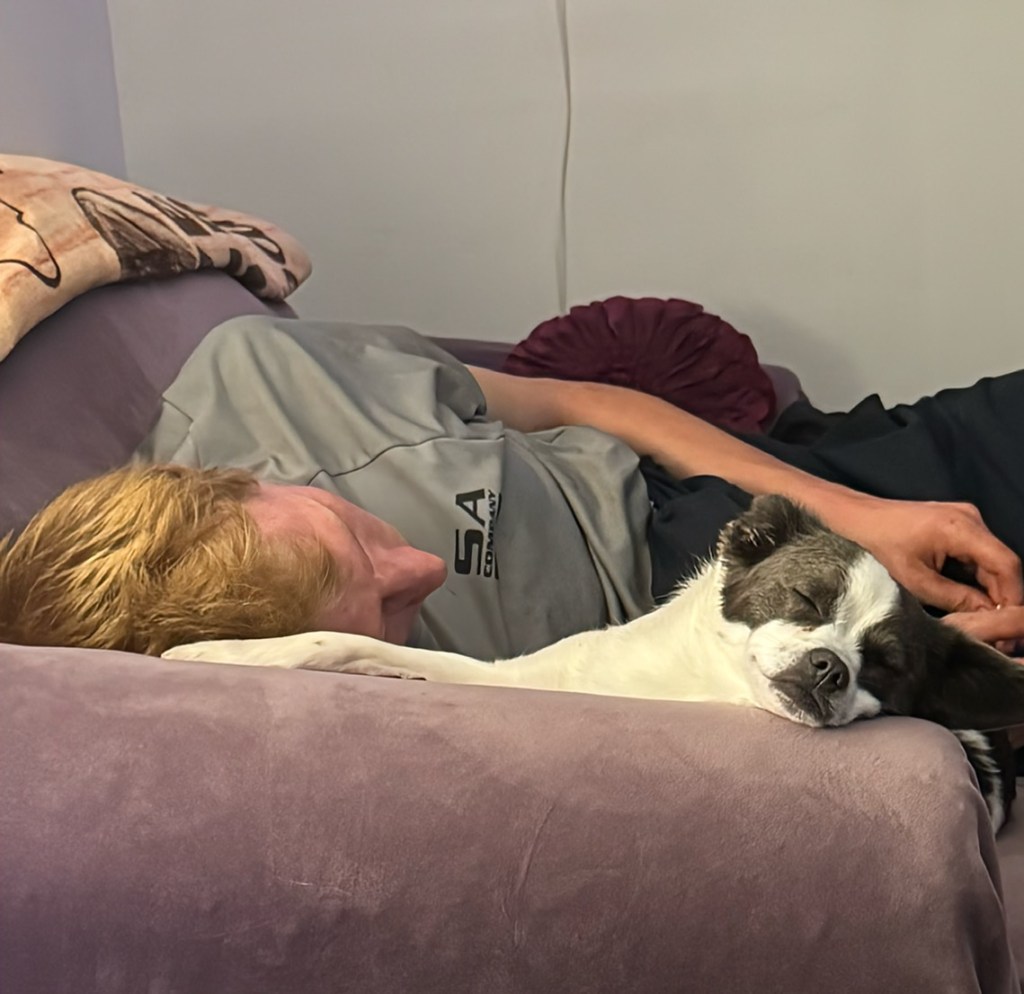
Napping Techniques for Maximum Comfort
If you’re new to the art of napping, don’t worry—I’m here to guide you. Here are some professional-grade nap strategies, backed by sleep science:
- The Power Nap (10-20 minutes) – Just enough time to recharge without feeling groggy. Studies show that short naps boost energy and performance without leading to sleep inertia (Milner & Cote, 2009).
- The Siesta (30-60 minutes) – Ideal for improving memory and learning, though naps longer than 30 minutes can cause sleep inertia (Groeger et al., 2011).
- The Full Send (90 minutes) – A full sleep cycle, great for creativity and problem-solving (Mednick et al., 2002).
How to Defend Your Right to Nap
Now, I know what you’re thinking: “But Aunty Christine, what if my boss/partner/kids/pet hamster says I can’t nap?” Fear not, dear nap enthusiast! Here are a few ways to justify your need for slumber:
- Call it a “strategic cognitive recharge” – Sounds way more impressive than “I passed out on the couch.”
- Blame it on your inner genius – “Einstein napped. Do you really want to stand in the way of my potential Nobel Prize?”
- Feign extreme busyness – If you nap with a notebook on your chest and a pen in hand, people will assume you were working too hard and simply collapsed.
The Nap Revolution Starts Now
It’s time we take naps out of the shadows and give them the respect they deserve. If we truly want to be our best, most vibrant, well-rested selves, we must reclaim our right to an afternoon snooze.
So fluff your pillows, grab your coziest blanket, and join me in the fight for nap justice. Because a well-rested Aunty Christine is a force to be reckoned with—and, let’s be honest, way less grumpy.
Are you a proud napper? Share your best napping techniques in the comments below!
References:
- Mednick, S. C., Nakayama, K., & Stickgold, R. (2002). Sleep-dependent learning: A nap is as good as a night. Nature Neuroscience, 5(7), 677-681.
- Milner, C. E., & Cote, K. A. (2009). Benefits of napping in healthy adults: Impact of nap length, time of day, age, and experience with napping. Journal of Sleep Research, 18(2), 272-281.
- Rosekind, M. R., Gregory, K. B., Co, E. L., Miller, D. L., & Dinges, D. F. (1994). NASA study on cockpit napping: Alertness benefits for flight crew. NASA Ames Research Center.
- Groeger, J. A., Lo, J. C., & Dijk, D. J. (2011). Short naps in the workplace: Effects on performance and alertness. Sleep Research Society, 34(2), 139-145.

Leave a comment